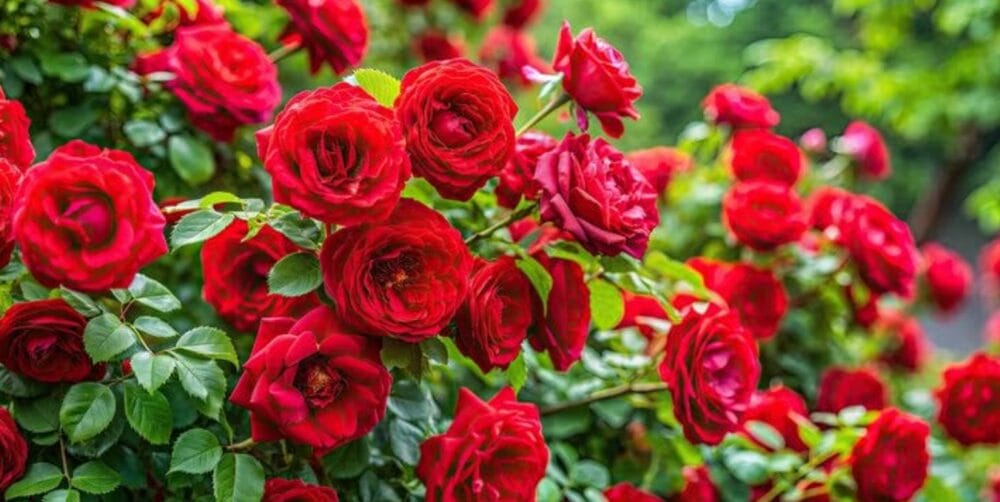
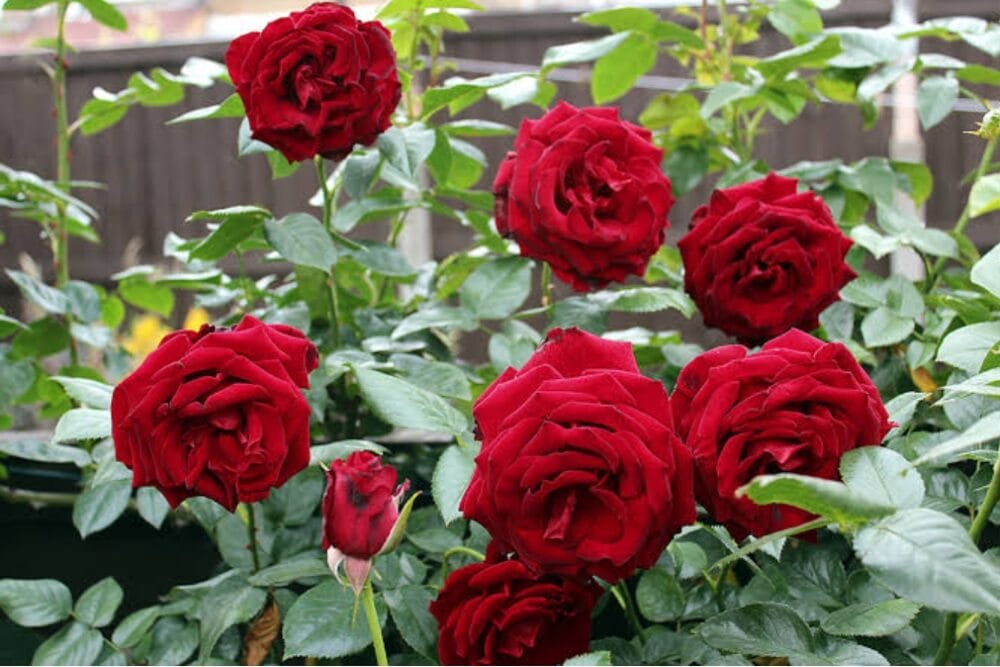
Red rose farming is one of the most profitable and popular forms of floriculture worldwide. Red roses symbolise love, beauty, and passion, making them highly demanded in the cut-flower market, weddings, festivals, perfume industries, and religious ceremonies.
With proper planning, suitable climate conditions, and good farm management practices, red rose cultivation can provide a steady income throughout the year. This blog explains the complete process of red rose farming, from climate requirements to harvesting and marketing.
Table of Contents
Importance of Red Rose Farming
Red roses are widely used for bouquets, garlands, decoration, essential oils, cosmetics, and medicines. The demand for fresh red roses increases significantly during Valentine’s Day, weddings, and festivals. Due to high market value and continuous demand, rose farming is a preferred choice for small and large farmers alike. Greenhouse and polyhouse rose farming further increase productivity and flower quality.
Suitable Climate and Soil
Red roses grow well in mild climates with temperatures ranging between 15°C and 30°C. Extreme heat and frost can damage the plants and reduce flower quality. Roses require plenty of sunlight for at least 6–8 hours daily for healthy growth and flowering.



Well-drained loamy soil rich in organic matter is ideal for rose cultivation. The soil pH should range between 6.0 and 7.0. Proper drainage is very important because waterlogging can cause root rot and fungal diseases.
Land Preparation
The land should be ploughed deeply and leveled properly before planting. Add well-decomposed farmyard manure (FYM) or compost at the rate of 8–10 tons per hectare to improve soil fertility. Raised beds are recommended to ensure good drainage, especially in areas with heavy rainfall.
Popular Red Rose Varieties
Some high-yielding and commercially popular red rose varieties include:
- First Red
- Grand Gala
- Red Naomi
- Baccara
- Burgundy
- Taj Mahal
These varieties are known for long stems, large flower size, good color, and longer vase life.
Propagation and Planting
Red roses are usually propagated through cuttings, budding, or grafting. For commercial farming, healthy and disease-free planting material from certified nurseries should be used.
Planting is generally done during October to December in open fields, while greenhouse planting can be done year-round. The recommended spacing is 45–60 cm between plants and 75–90 cm between rows. Proper spacing allows good air circulation and reduces disease occurrence.
Irrigation Management
Roses require regular watering, especially during flowering. Drip irrigation is the best method for red rose farming as it saves water and maintains optimum soil moisture. Over-irrigation should be avoided as it may cause root diseases. During summer, irrigation may be needed every 2–3 days, while in winter it can be reduced.
Fertilizer and Nutrient Management
Balanced nutrition is essential for quality flower production. Apply nitrogen, phosphorus, and potassium in recommended doses. A general fertilizer schedule includes:
- Nitrogen for vegetative growth
- Phosphorus for root development
- Potassium for flower size and color
Organic fertilizers like vermicompost and biofertilizers improve soil health and flower quality.
Also Read:Top 10 Benefits of Organic NPK Fertilizers for healthy plants
Pruning and Training
Pruning is an important practice in red rose farming. It encourages new shoots and improves flowering. Pruning is usually done once a year after the main flowering season. Remove dead, weak, and diseased branches regularly. Training helps maintain plant shape and ensures better air circulation.
Pest and Disease Management
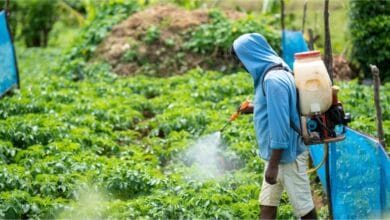
Common pests affecting red roses include aphids, thrips, mites, and caterpillars. Diseases such as powdery mildew, black spot, and root rot are also common.
Use integrated pest management (IPM) techniques such as:
- Neem oil spray
- Proper sanitation
- Disease-resistant varieties
- Timely application of recommended pesticides
Also Read: Movento Insecticide: An Efficient Solution for Pest Management
Harvesting and Yield
Red roses are harvested when the buds are partially open. Harvesting should be done early in the morning or late evening using sharp tools. After harvesting, flowers should be immediately placed in clean water to maintain freshness.
Under good management, a well-maintained rose farm can produce 150–200 flowers per plant per year. Greenhouse cultivation can significantly increase yield and quality.
Marketing and Profitability
Red roses are sold in local flower markets, wholesale markets, hotels, event planners, and export markets. Value-added products like rose oil, rose water, and dried petals increase income. With proper planning, red rose farming can generate high profits, especially during peak demand seasons.
Frequently Asked Questions (FAQ)
1. Is red rose farming profitable?
Yes, red rose farming is highly profitable due to year-round demand and high market prices, especially during festive seasons.
2. How long does a red rose plant take to flower?
Red rose plants start flowering within 2–3 months after planting, depending on variety and care.
3. Can red roses be grown in pots?
Yes, red roses can be grown in pots with proper soil, sunlight, and regular pruning.
4. Which irrigation method is best for rose farming?
Drip irrigation is the best method as it conserves water and ensures uniform moisture.
5. What is the lifespan of a red rose plant?
With proper care, a red rose plant can remain productive for 5–7 years.
6. Do roses need full sunlight?
Yes, roses require at least 6–8 hours of direct sunlight daily for healthy growth.
Also Read:Rose Cultivation in India: How to Start a Rose Farm